Showing posts with label book review. Show all posts

Friday, August 5, 2016

Eloise Butler Garden

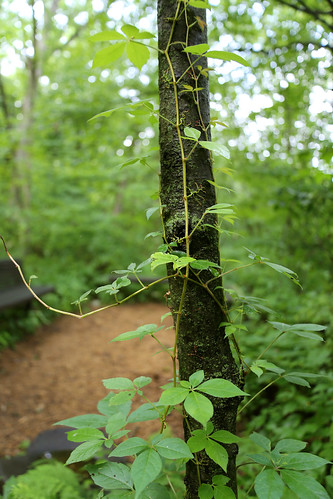
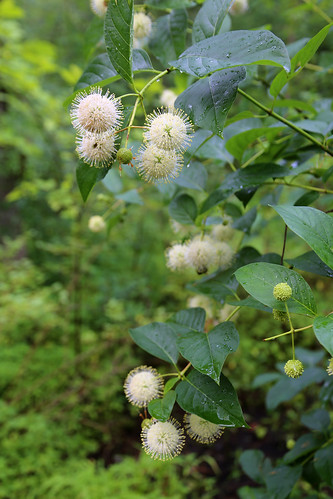
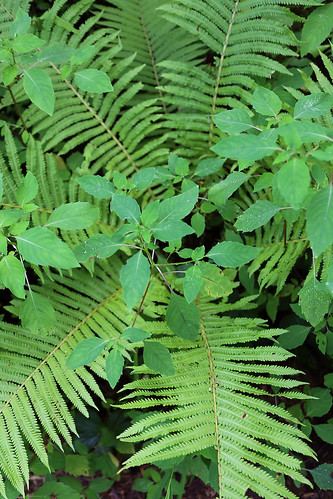
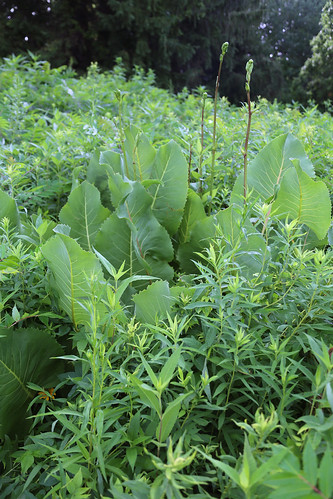
Our first stop on the Minneapolis Garden Bloggers Fling was at the Eloise Butler Wildflower Garden and Bird Sanctuary. Coming from California this garden looked incredibly lush and green. Stepping inside the forest the growth felt on the verge of taking over.
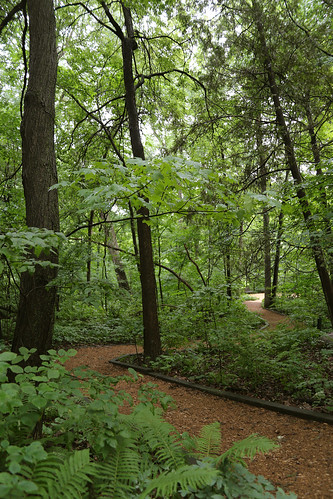
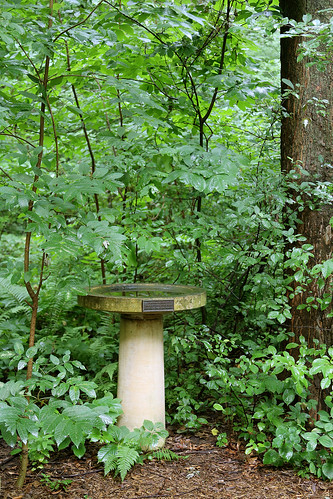
eloise_butler_garden01eloise_butler_garden02

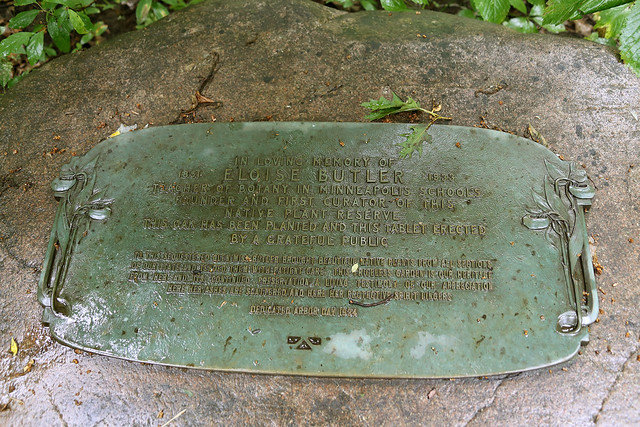
The garden is named for Eloise Butler, an interesting lady (born in 1851) who loved the native flora of the area and assisted in the development and curation of plants at the garden, which was later named for her. Earlier in her career she was a teacher of Botany and had difficulty finding places to teach her students about plants in their native habitats due to the rapid development and growth of the area. This lead to her interest in preserving native plants and their surrounds. 
eloise_butler_garden03

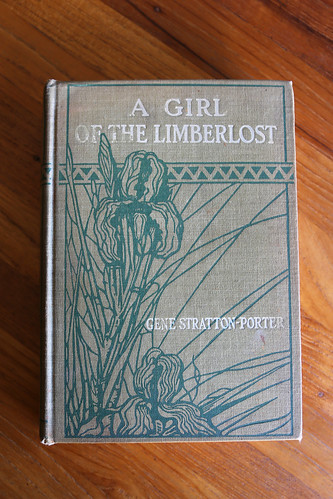
During my trip to Minneapolis, I just happened to be re-reading a favorite childhood book of mine A Girl of the Limberlost by Gene Stratton-Porter. (I would have to say it is my second favorite childhood book with The Secret Garden taking first place of course.) A Girl of the Limberlost describes the life of Elnora Comstock as she grows up on the edge of the Limberlost Swamp. Like Eloise Butler, she is also a student of nature, focusing on moths in this case. Elnora eventually takes a position teaching local students about the flora and fauna of the area and laments the ongoing development of the swamp and the loss of habitat. 
limberlost

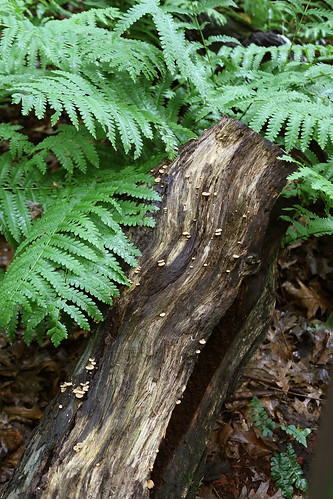
Realizing the similarities between the women, I let myself pretend I was wandering through Elnora's Limberlost, over the boggy ground where she may have patiently waited for new moths to emerge from the leafy debris or where she might have stopped to show Philip the patch of woodland violets. 
eloise_butler_garden04eloise_butler_garden05eloise_butler_garden06eloise_butler_garden09

Curious about if the Limberlost actually existed I looked it up. And apparently it did - a 13,000 acre, richly-biodiverse wetland in Indiana. Unfortunately it did not survive, but was drained for agricultural purposes in the early 20th century. That sad fact makes one happy that at least this piece of native ground was preserved for its "Limberlost Lady". 

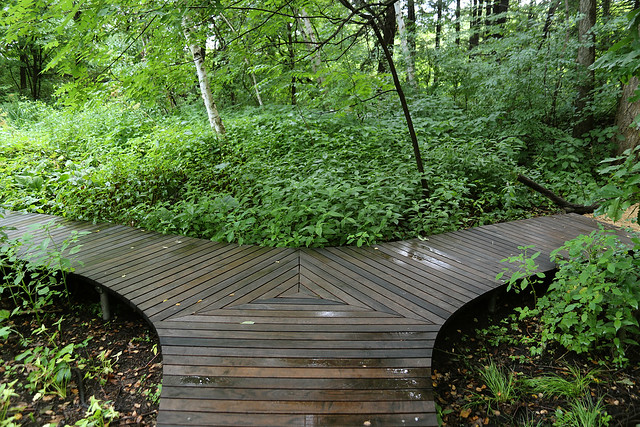
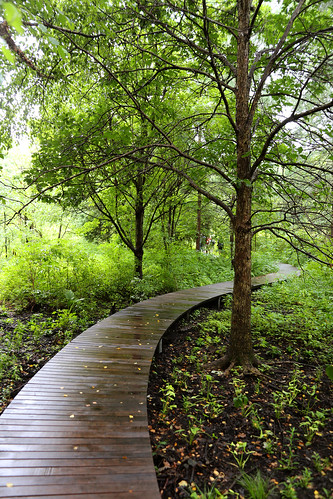
I loved walking over the boardwalks throughout the forest and appreciated the construction detail where 3 curving paths met. 
eloise_butler_garden07

eloise_butler_garden08

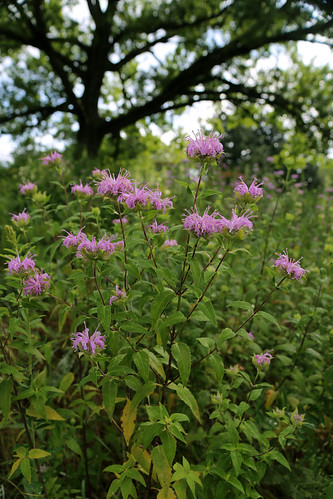
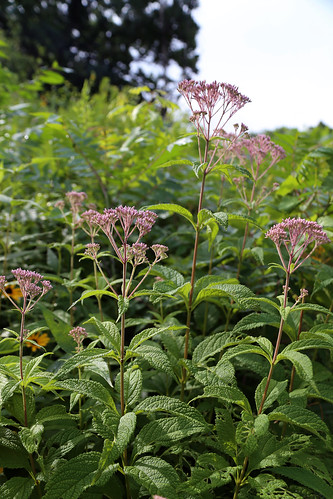
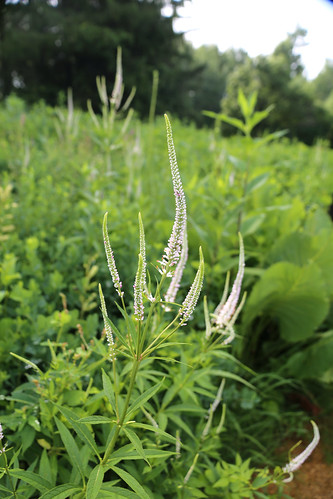
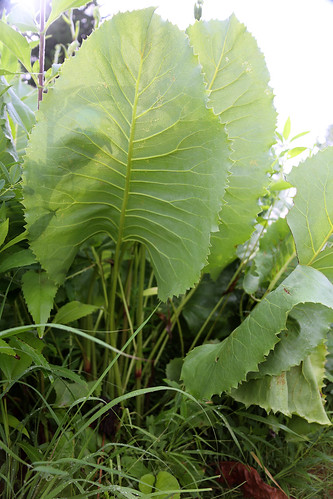
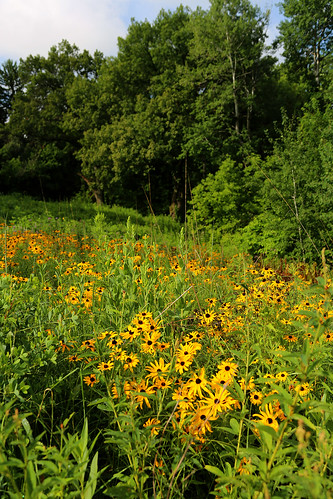
Coming out of the forest we wandered through the meadow where most of the blooming plants were located. I don't know the plants of this area very well and can only give general names - I'm thinking these are Rudbeckia, Monarda, Eupatorium, Veronica (?), and Silphium. Correct me if I'm wrong or you have more info to add. 
eloise_butler_garden10eloise_butler_garden11eloise_butler_garden12eloise_butler_garden13eloise_butler_garden14eloise_butler_garden15
The plants in the meadow, which were up to our shoulders at least, had all grown up since April, when they burned the meadow. That's a lot of growth! But I suppose it's to be expected when you have that much water in your state. The Eloise Butler Garden is a lovely place for a quiet, peaceful walk. Just make sure and wear bug spray so you don't have itchy mosquito bites the rest of your visit like I did!

Monday, February 13, 2012

Free-Range Chickens and a Timber Press Give-away

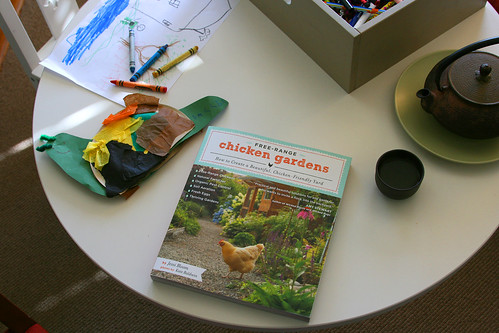
Timber Press kindly sent me a copy of Jessie Blooms' Free-Range Chicken Gardens to check out. I was pleased to read it, even though I don't have chickens of my own. I do however have clients that are interested in incorporating chickens into their home gardens. I prefer not see the chickens confined to a small pen, but when they've have been allowed to wander the gardens we've often had a hard time balancing beautiful plantings with the curiosities (and appetites) of the chickens.

chicken cover

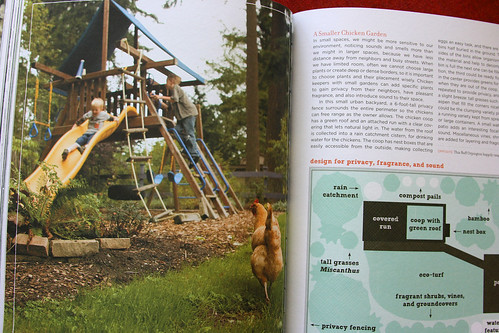
So Jessie's book was naturally of interest to me and I've been blown away by the amount of information in it. I can honestly refer to it as the Chicken Bible for Gardeners. With everything from coop design, dietary needs, to chicken personality explained, this book seems to leave nothing out.

chickens and kids

The photos are inspirational too, with examples of chickens and gardens growing beautifully together.

chicken food

And get on over to Timber Press before February 17th and sign up for the great give-away package they have going. Included is a copy of Free-Range Chicken Gardens, a $50 gift certificate for feed or supplies at McMurray Hatchery, a coop plan from The Garden Coop, and 1lb. of chicken forage and seed from Peaceful Valley Farm.

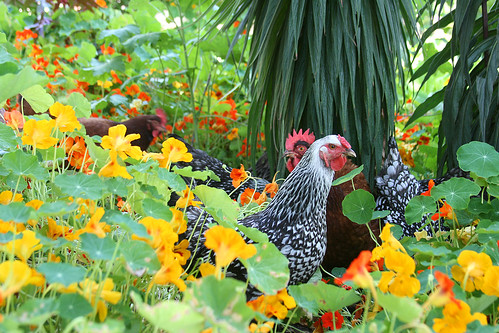
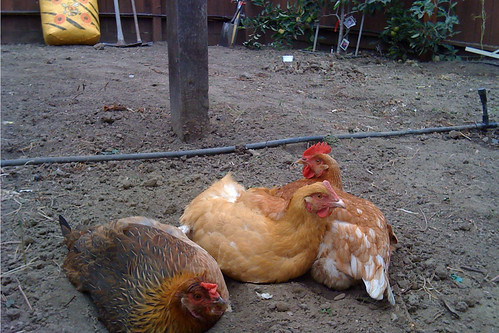
Here are some ladies I met at a friend's house, happily foraging in the nasturtiums:

chickens in the nasturtiums

These next chickens lived in part of a client's garden and as we started construction on a new section of the garden, they were very pleased with the giant "bathtub" we had created for their personal dirt baths.

chicken bath

If you can appreciate those amusing chicken antics and are thinking they would make a good addition to your home garden, I would highly recommend Free-Range Chicken Gardens by Jessie Bloom.

Friday, June 17, 2011

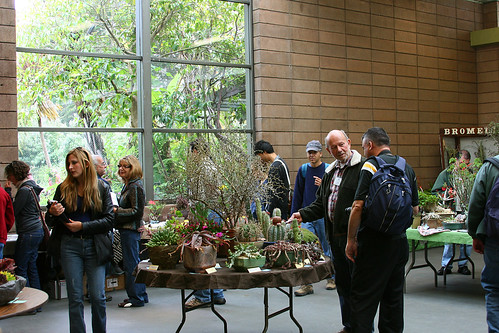
Bromiliad, Cactus and Succulent Show in SF

I was happened to be over by SF Botanical Garden when the Bromiliad, Cactus and Succulent Societies were having their plant sale. I've always been into succulents and I'm getting more and more interested in bromiliads so I thought I'd see if I could pick up any good deals.

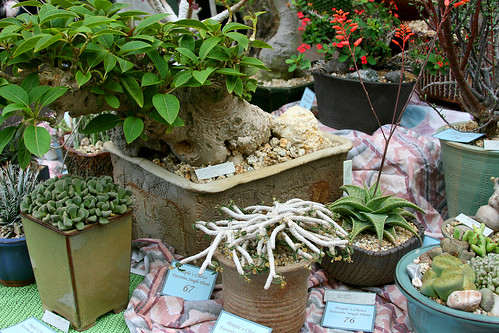
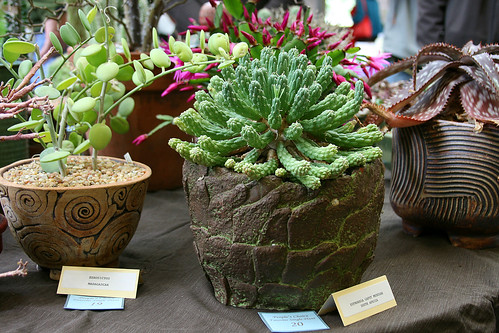
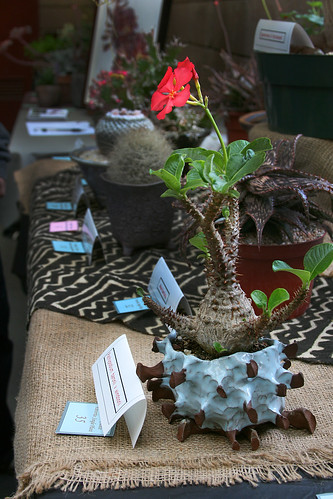
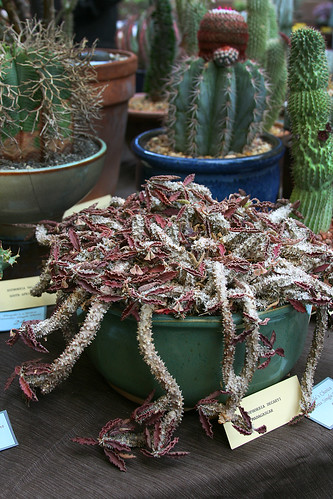
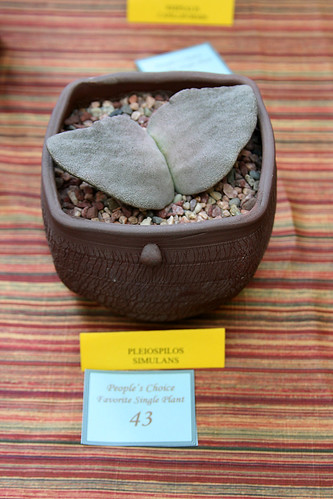
The display section had some very nice specimens.

cactus and succulent society displays

cactus and succulent society specimens

I don't know why but succulent growers always have the coolest pots!

cool pots

pachypodium baronii windsorii

euphorbia decaryineoporteria senilis

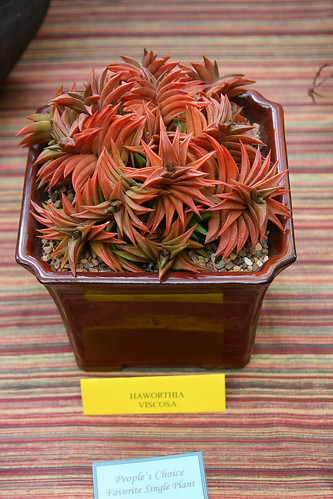
pleiospilos simulanshaworthia viscosa

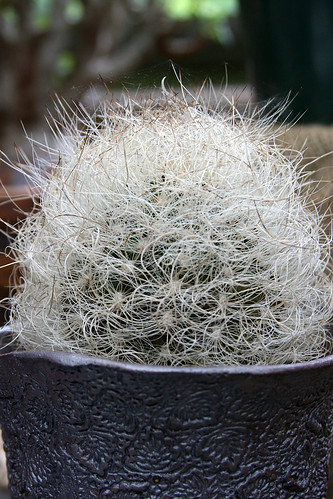
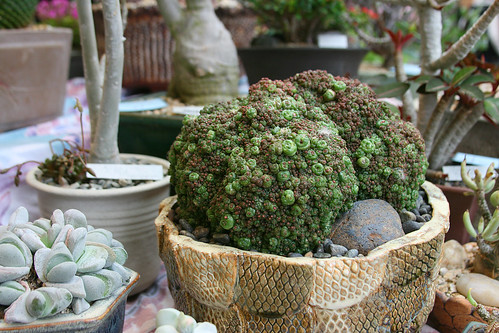
These warty balls were my favorite though. That is some freaky stuff! And I love that the name of the plant is Mammillaria bocasana 'Fred'. Fred's warty balls. (Tee-hee!) Geesh, I can be so juvenile! And I should really keep in mind that my mom reads this blog.

mammillaria bocasana 'fred'

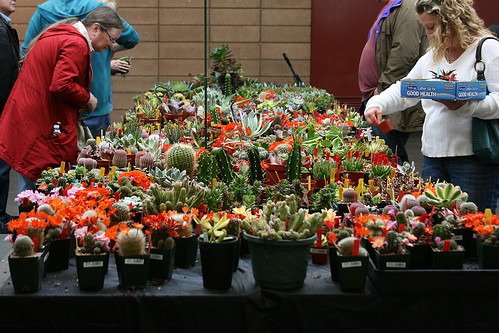
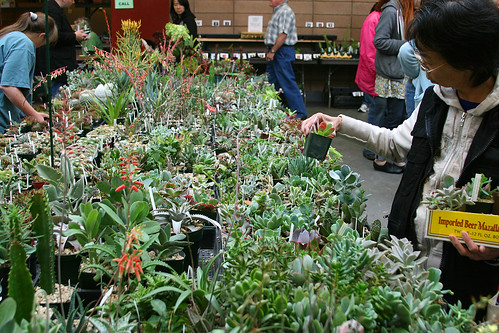
Anyway, onto the sale part of the show. There were tables and tables of little pots of cuties.

cactus and succlent sale

succulent selection

Here is what I ended up taking home:

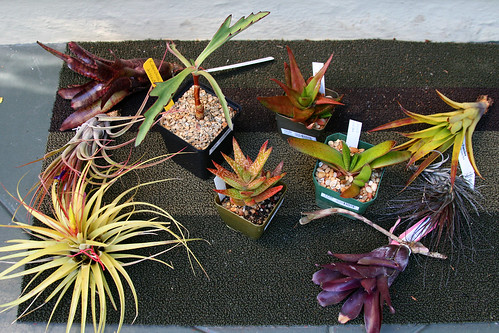
my haul

Succulents are (from left to right):

Kalanchoe synsepala dissectum
Aloe hybrid
Aloe hybrid
Gasteria prolifera

Bromiliads are (from top left down ending at bottom right):

Neotunisia
Tillandsia fasciculata x ionantha
Tillandsia concolor
(missing tag)
Tillandsia tenuifolia 'Amethyst'
Neoreglia cv.

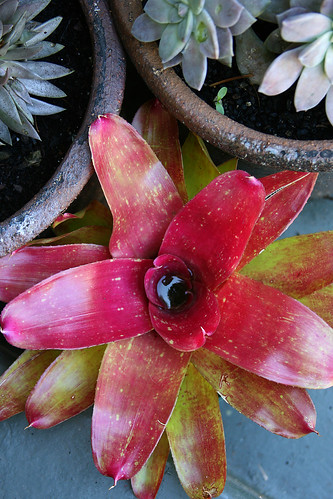
Oh, and this one - Neoreglia hybrid.

pinky

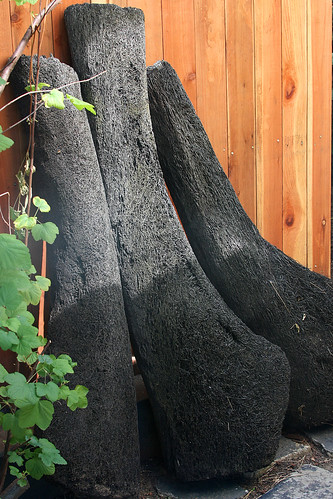
Those Tillandsias I'm going to try growing on some palm trunks I've had in my garden for years and never know what to do with.

palm trunks

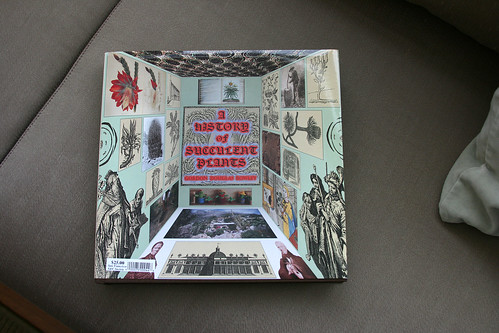
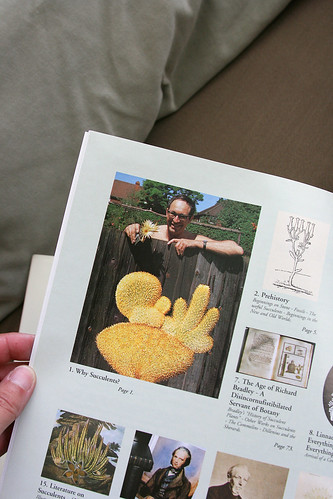
I also picked up this book, The History of Succulents by Gordon Douglas Rowley, which looks pretty interesting.

history of succulents book

I was sold as soon as I saw the photo of this guy. Doesn't he look like some cooky neighbor that likes to garden naked, handing out divisions of his succulents to neighbors, whether they want them or not. Actually, he looks like his name could be Fred...

love this guy

Sunday, January 16, 2011

I love me some lichens - Foliage Follow Up

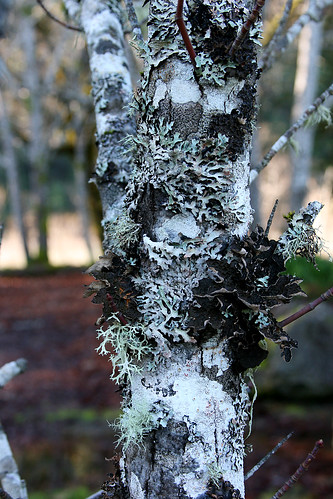
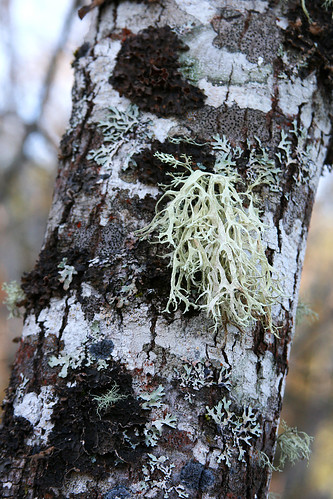
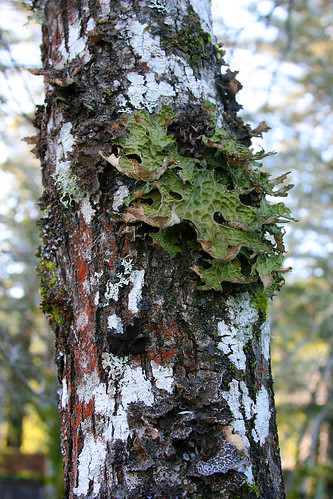
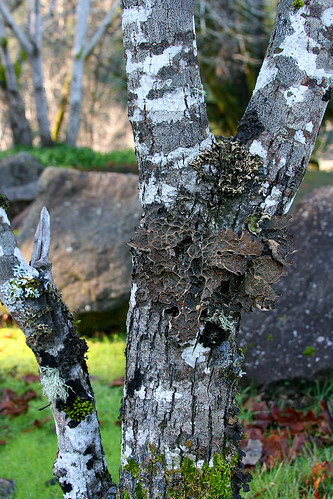
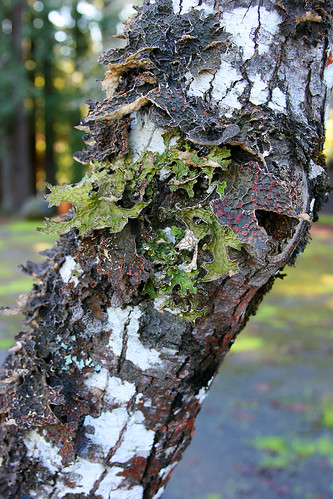
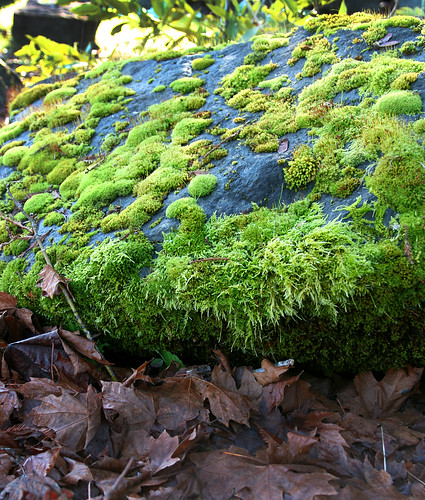
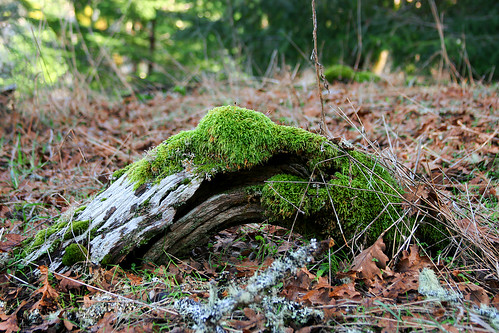
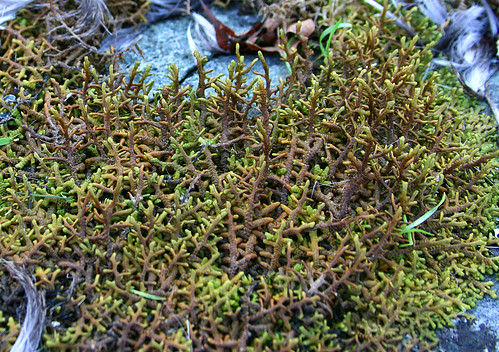
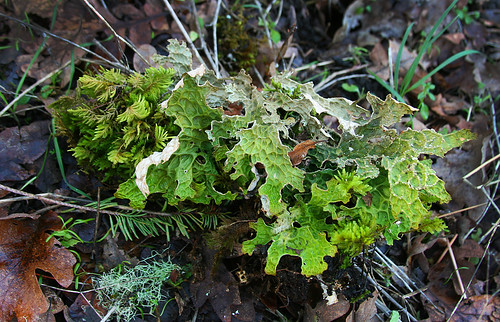
For Foliage Follow Up this month, I'm devoting most of my post to my favorite winter foliage treat - Lichens! I love hiking in the winter because the rains have plumped up all the lovely lichen and moss that cling to tree trunks and rocks. It's like all these new gardens that only appear in winter. The lichen foliage comes in all colors - green, brown, orange, black, icy-blue, white, chartreuse. You just have to slow down and enjoy these miniature, temporary gardens.

garberville_lichen-17

garberville_lichen-6

garberville_lichen-4

garberville_lichen-19

garberville_lichen-12

garberville_moss-16

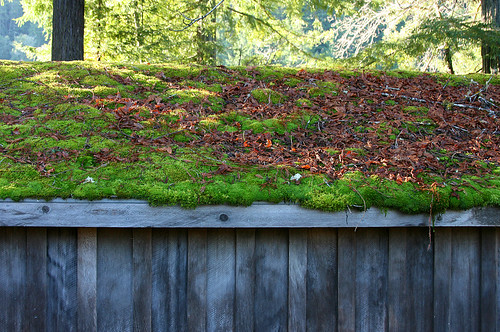
Love this mossy roof:
garberville_moss_roof

Mossy mountain in miniature:
garberville_oak_hillside-64

This is a new moss to me:
garberville_oak_hillside-94

So vibrant:
garberville_oak_hillside-59

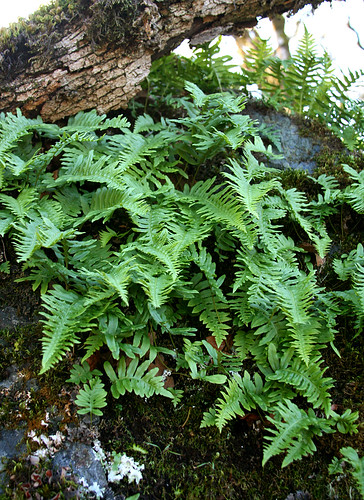
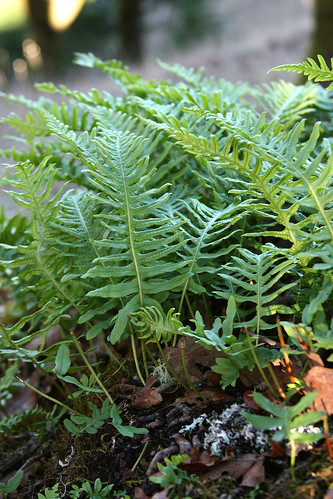
And there are also the Polypodium californicum ferns that appear this time of year. The fronds spring from solid rock boulders.
garberville_oak_hillside_polypodiumgarberville_oak_hillside_polypodium-4

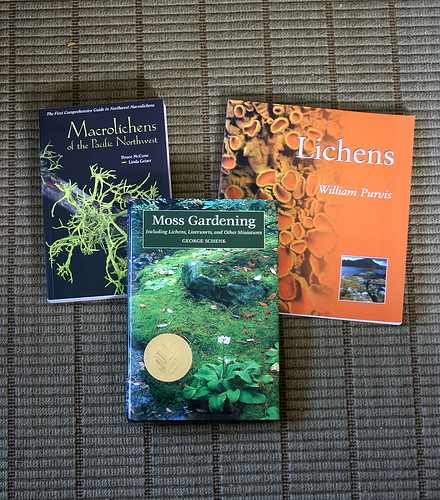
If you are into lichens and moss check out these three books:
books

Macrolichens of the Pacific Northwest by Bruce McCune and Linda Geiser, Oregon State University Press - a great book with with key, photos and descriptions of lichens to be found in this region.

Lichens by William Purvis, Smithsonian Institution Press - a life and times of lichens around the world.

And a surprisingly good read: Moss Gardening by George Schenk, Timber Press - a great book if you would like to encourage moss in your garden.

And make sure and check out our kind host's Foliage Follow Up post over at Digging.